
Ashwagandha in NZ: A Complete Guide to the Traditional Adaptogen
Written by Upeksha Liyanage · Wellness Writer, Herbicare NZ
Upeksha writes about herbal wellness, botanical traditions and natural supplements for the Herbicare blog, with a focus on Ayurvedic botanicals and practical guidance for everyday New Zealanders.
Ashwagandha is one of the best-known herbs in Ayurveda and one of the most searched-for botanicals in New Zealand. This guide brings together everything we have written about it: what it is, how it has traditionally been used, what research is (and isn't) telling us, how people include it in a daily routine, and how to choose a product.
What is ashwagandha?
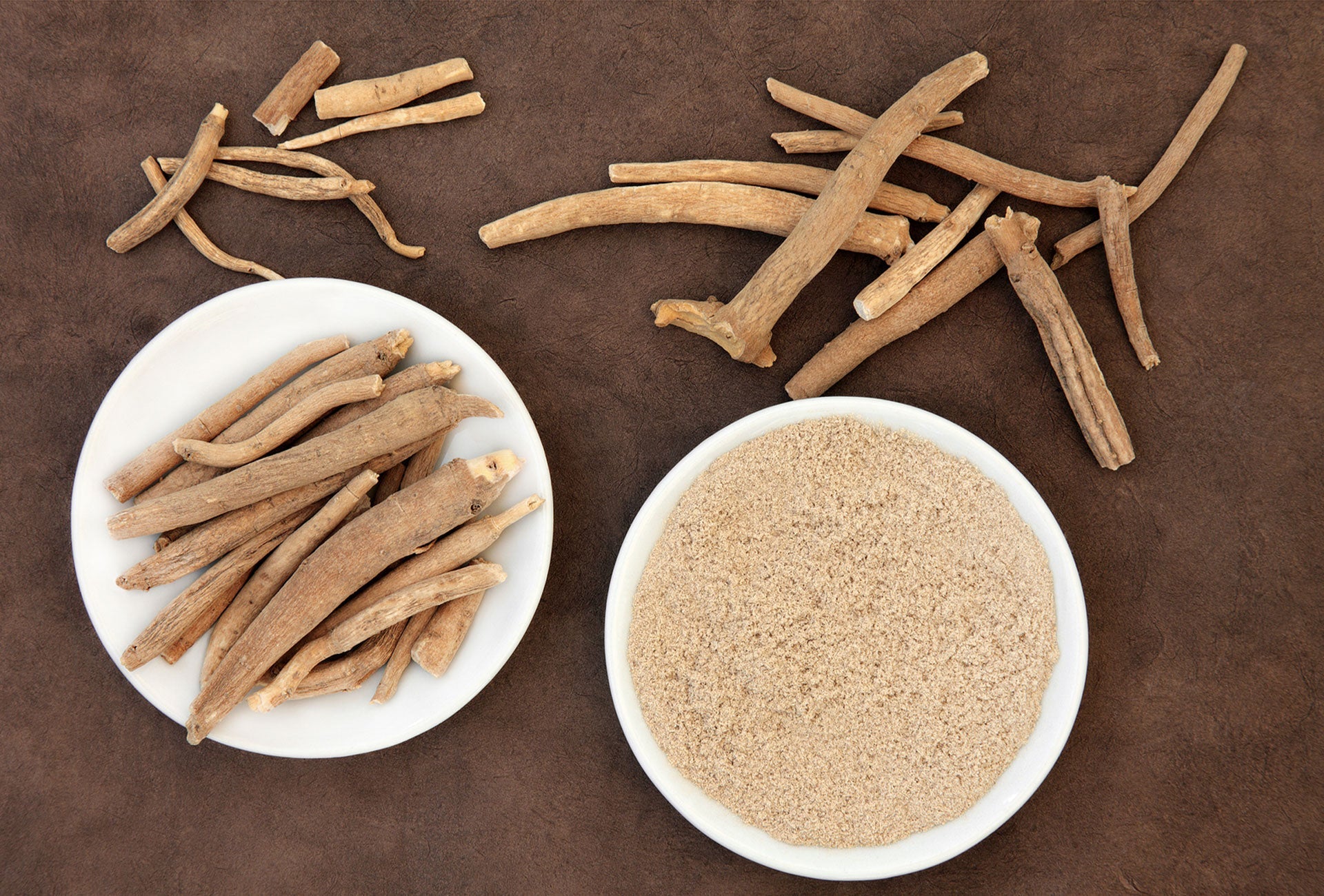
Ashwagandha (Withania somnifera) is a small woody shrub native to India, North Africa and parts of the Mediterranean. Its name comes from the Sanskrit ashva (horse) and gandha (smell), a reference to the root's distinctive aroma and its traditional association with strength and vitality.
In Ayurveda it is classed as a Rasayana, a group of botanicals traditionally valued as general tonics. In Western herbal writing it is usually described as an adaptogen, a term first used in 1947 by the Soviet pharmacologist Nikolai Lazarev for plants traditionally used during demanding periods.
Traditional use across cultures
- Ayurveda (India): used for more than 3,000 years, traditionally as a root powder warmed with milk and honey, a preparation called Ashwagandha Ksheerpaka.
- Unani tradition: recognised across the Middle East and Central Asia as a botanical tonic.
- Modern herbalism: adopted into everyday supplement routines worldwide, including in New Zealand.
Traditionally it was used by both women and men as part of broad lifestyle and seasonal routines, rather than as a remedy for any specific condition.
What's in the root?
- Withanolides – steroidal lactones found in Withania somnifera. They are the compounds measured when an extract is described as "standardised" (for example 2.5% or 5% withanolides).
- Alkaloids – including anaferine and isopelletierine.
- Saponins – naturally occurring plant glycosides.
What does the research say?
Ashwagandha is among the most studied botanicals in the world, and the number of published studies keeps growing. Studies vary widely in dose, extract type, length and the people involved, so results from one study can't be applied to every product. Research is ongoing, and no supplement, including ours, should be taken as a replacement for medical care.
How people include ashwagandha in a daily routine
- Capsules – the simplest option. No taste, no preparation. Herbicare Ashwagandha Capsules contain 100% ashwagandha root powder in a plant-based capsule.
- Root powder – the traditional format. Herbicare Ashwagandha Powder can be stirred into warm milk, smoothies or porridge.
Evening golden milk: warm a cup of oat or dairy milk, whisk in ½ teaspoon of ashwagandha powder, a pinch of cinnamon and a little honey.
Morning or evening? Some people take it with breakfast, others as part of a wind-down routine. Consistency matters more than timing. Take it with food and follow the label.
How to choose an ashwagandha supplement
- Root or leaf: the root has the longest history of traditional use. Check the label says root.
- Powder or extract: a root powder is the whole dried root, ground. An extract is concentrated and usually states a withanolide percentage. Both are legitimate; they're just different products, so compare like with like.
- What else is inside: look for a short ingredient list and a plant-based capsule if you're vegan.
- Serving size: compare the milligrams per serving, not just the number of capsules.
Why Herbicare ashwagandha?
- 100% ashwagandha root powder (Withania somnifera)
- Plant-based vegetable capsules, suitable for vegans and vegetarians
- Non-GMO, with no synthetic fillers
- New Zealand owned and operated
Who should check with a professional first?
Talk to your doctor or pharmacist before using ashwagandha if you are pregnant or breastfeeding, have a thyroid or autoimmune condition, or take prescription medication (including thyroid medication, sedatives or immunosuppressants). Stop using it and seek advice if you notice anything unusual.
Frequently asked questions
Can I take ashwagandha with other herbs?
Many people combine it with turmeric or moringa. If you take medication, check with a pharmacist first.
How long before I notice anything?
Botanicals are generally used consistently over weeks as part of a routine, not for immediate effects. Everyone is different.
Capsules or powder?
Capsules suit busy routines and people who don't like the earthy taste. Powder suits people who enjoy making drinks.
Related
Disclaimer: This article is general educational information only. It is not medical advice and is not intended to diagnose, treat, cure or prevent any disease. Herbicare products are dietary supplements, not medicines, and have not been evaluated by Medsafe. Traditional use does not necessarily reflect modern scientific evidence. Always read the label and follow the directions for use. If you have a health condition, are pregnant or breastfeeding, or take prescription medication, talk to a qualified health professional before starting any supplement. Individual results vary.







Leave a comment
This site is protected by hCaptcha and the hCaptcha Privacy Policy and Terms of Service apply.